

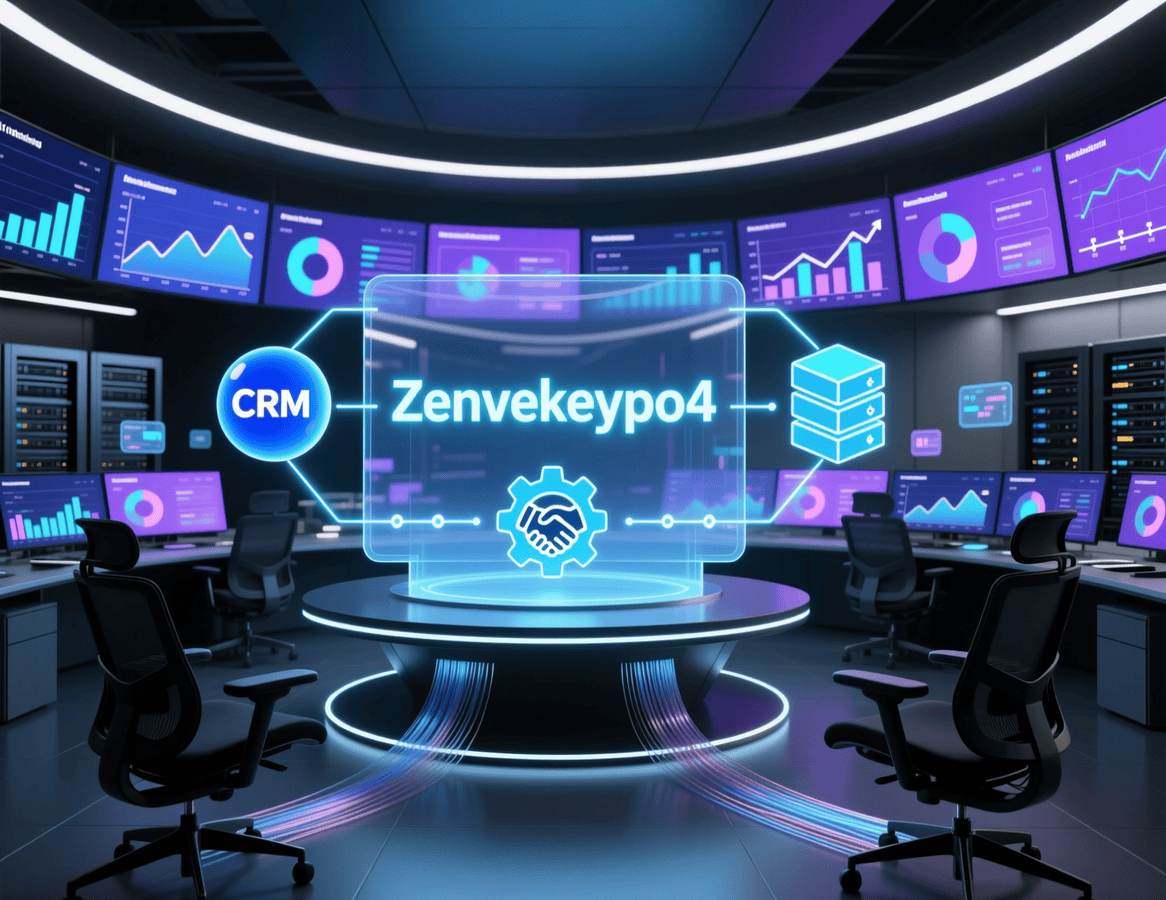
Introduction: Why Zenvekeypo4 Software Matters
In 2025, the average knowledge worker spends nearly a fifth of their week navigating fragmented enterprise systems. That’s one full day lost every week to disconnected tools, redundant workflows, and manual updates. Zenvekeypo4 Software is designed to change that.
At first glance, it might seem like just another automation or workflow platform, but the reality is deeper. Zenvekeypo4 is a centralized command hub that unifies critical business data, automates complex workflows, and provides actionable insights in real time. In this guide, we’ll break down how Zenvekeypo4 Software works, common problems users face, and expert solutions to ensure seamless implementation and maximum efficiency.
What Is Zenvekeypo4 Software?
Zenvekeypo4 is an enterprise workflow automation platform designed to eliminate inefficiencies caused by disconnected business tools. Its core mission is to unify data, automate repetitive processes, and provide a single source of truth across departments.
Key benefits include:
- Integration of CRM, project management, accounting, and marketing systems
- Automated workflows triggered by specific events
- Real-time analytics for performance monitoring
- Role-specific dashboards for improved usability and security
Unlike traditional software, Zenvekeypo4 doesn’t force organizations to abandon existing tools. Instead, it connects disparate systems via pre-built connectors and a robust API layer, creating an intelligent, unified ecosystem.
How Zenvekeypo4 Software Works: The Four-Pillar Architecture
Understanding how Zenvekeypo4 Software works requires a look at its four-pillar architecture, which balances automation, analytics, and security.
1. The Unified Data Hub
The Unified Data Hub is the central intelligence layer. It ingests, normalizes, and correlates data from multiple sources, including SQL databases, Salesforce, HubSpot, and other enterprise applications.
Function: Instead of replacing your stack, Zenvekeypo4 maps relationships between datasets, creating a holistic view of operations. For example, a client’s support ticket, purchase history, and marketing engagement are accessible in one location.
2. Visual Automation Builder
This drag-and-drop interface allows users to design automated workflows without coding knowledge.
Function: Build “if this, then that” chains to automate tasks. Example: If a lead is marked as “Sales Qualified” in the CRM, Zenvekeypo4 can:
- Create a new project in Asana
- Notify the team in Slack
- Generate a personalized onboarding email
This visual system empowers non-technical staff while reducing IT workload.
3. Advanced Analytics Engine
Data without insight is wasted. Zenvekeypo4’s analytics engine transforms raw information into actionable intelligence through dashboards and reports.
Function: Track KPIs across all integrated systems, identify bottlenecks, and measure the ROI of automated processes. Decision-making becomes proactive instead of reactive.
4. Role-Based Access Portal
Security meets usability. The portal customizes access according to roles:
- Executives see high-level dashboards
- Sales reps see leads and automations
- Customer service agents access support tickets and history
This ensures employees have relevant data without compromising security or cluttering the interface.
A Step-by-Step Walkthrough: Zenvekeypo4 in Action
Imagine onboarding a new client without automation:
- Sales emails contracts to legal; accounting creates invoices manually.
- Operations manually sets up projects in Trello.
- Marketing adds the client to an email campaign.
Time-consuming and error-prone.
With Zenvekeypo4 Software, a single trigger—marking a deal as “Closed-Won”—initiates:
- Automated contract generation via DocuSign
- Invoice creation in QuickBooks
- Client folder setup in SharePoint
- Onboarding project creation in Jira
- Enrollment into Mailchimp’s personalized welcome sequence
All of this happens within minutes, eliminating manual intervention.
You May Also Read: Hj54kyf: Exploring the Meaning, Structure, and Digital Mystery Behind a Curious Code
Common Problems in Zenvekeypo4 Software & How to Fix Them
Even robust software can face challenges. Here are the most frequent Zenvekeypo4 software issues and expert fixes.
Problem 1: Complex Initial Setup
Cause: The platform’s flexibility can overwhelm new users. Companies often try to automate too many processes at once.
Fix:
- Start with a pilot project
- Use vendor onboarding services
- Reference the knowledge base and templates
Problem 2: Performance Lag with Large Datasets
Cause: Resource allocation or inefficient workflows may create bottlenecks.
Fix:
- Audit complex automations and optimize them
- Engage technical support for system diagnostics
- Adjust hosting plans if needed
Problem 3: User Adoption Hurdles
Cause: Resistance to change or lack of training.
Fix:
- Provide role-specific training
- Showcase early wins to build trust
- Maintain a feedback loop for continuous improvement
Best Practices for Smooth Implementation
- Conduct a process audit before deploying Zenvekeypo4
- Secure an executive sponsor for resource support
- Build a cross-functional team with IT, operations, and business stakeholders
- Design automations with scalability in mind
Following these steps prevents Zenvekeypo4 software problems before they arise.
Advanced Insights: Fixing Zenvekeypo4 Software Issues in 2025
2025 digital workflows require more than traditional troubleshooting. Two emerging trends impact Zenvekeypo4 adoption:
- AI-driven workflow recommendations: The platform can suggest automation chains based on historical user behavior.
- Cross-platform performance dashboards: Integrating multiple cloud services for real-time monitoring reduces the need for separate analytics tools.
These innovations accelerate adoption and optimize performance while preventing common software bottlenecks.
Zenvekeypo4 Software vs. Alternatives
| Software | Key Strengths | Weaknesses |
|---|---|---|
| Zenvekeypo4 | Unified hub, visual automation, AI insights | Initial setup complexity, learning curve |
| Zapier | Extensive integrations, easy to use | Limited enterprise analytics, scaling issues |
| Microsoft Power Automate | Enterprise-ready, robust security | Complexity for small teams |
| Integromat (Make) | Flexible workflows, low-code | Steep learning curve, performance on large datasets |
| Workato | AI-assisted automations, enterprise focus | Costly for mid-sized businesses |
Zenvekeypo4 distinguishes itself with its four-pillar architecture, combining workflow automation, analytics, and role-based personalization in one platform.
FAQs About Zenvekeypo4 Software
Q1: How does Zenvekeypo4 software work?
A: It unifies data from multiple systems, automates workflows visually, and provides role-based dashboards.
Q2: How to fix Zenvekeypo4 software issues?
A: Start small with pilot projects, optimize workflows, and leverage vendor support.
Q3: What are common problems in Zenvekeypo4 software?
A: Initial setup complexity, performance lag with large datasets, and user adoption hurdles.
Q4: Can Zenvekeypo4 integrate with existing CRMs?
A: Yes, it connects with Salesforce, HubSpot, QuickBooks, and other enterprise tools via APIs.
Q5: Is Zenvekeypo4 suitable for small businesses?
A: Yes, but initial setup may require training or consulting for smaller teams.
Conclusion
Zenvekeypo4 Software is more than just a tool—it is a strategic operational platform. It addresses inefficiencies caused by fragmented enterprise systems, unifies data, automates repetitive tasks, and provides actionable insights.
While setup complexity and adoption challenges exist, careful planning, pilot implementations, and ongoing feedback loops ensure success. The payoff is significant: faster workflows, reduced errors, and a more agile organization.
In 2025, the question is not whether your organization needs Zenvekeypo4—but whether you can afford to continue operating in disconnected, manual systems.
