

Introduction
In academic reading, especially in biology, environmental science, and translated research, readers sometimes encounter unfamiliar terms that do not appear in standard English dictionaries. One such term is speciering. For many students and researchers, this word raises immediate questions: Is it a scientific concept? A technical term? Or simply a linguistic variation?
This article is written to answer those questions clearly and accurately, without speculation or unrelated discussion. Its purpose is to explain what speciering means, where it comes from, how it is used, and why it appears in certain academic or educational materials.
If you encountered speciering in a document, lecture note, or research paper and want a precise explanation grounded in language and science, this guide will help you understand it fully.
What Does “Speciering” Mean?
Speciering is not a standardized English term. Instead, it is best understood as a language-derived form related to the biological concept of speciation.
In simple terms:
Speciering refers to the process of species formation, expressed through a non-English or regionally adapted linguistic structure.
The word itself is derived from the same Latin root (species) that forms the basis of speciation. However, its spelling and grammatical structure reflect usage in non-English academic contexts, particularly in parts of Europe.
Speciering in Biological and Scientific Context
To understand speciation, it is important to understand speciation, which is the established scientific concept it corresponds to.
What Is Speciation?
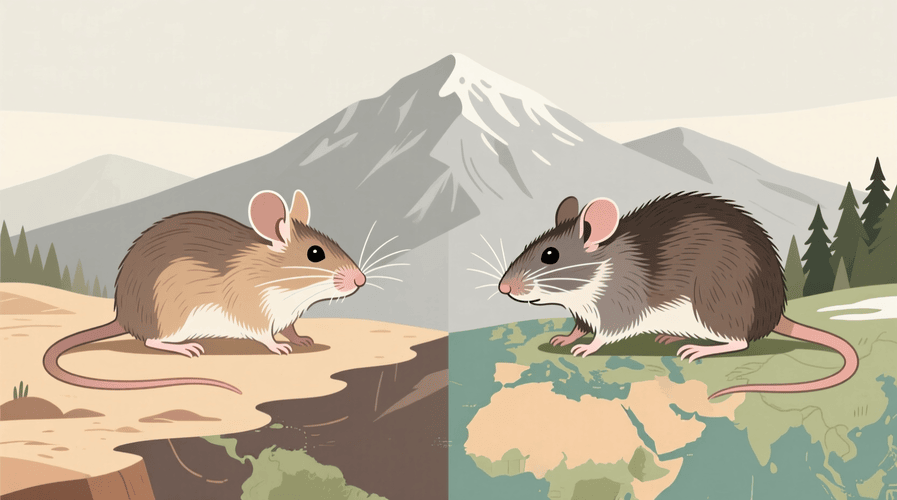
Speciation is the evolutionary process through which populations of organisms diverge and form distinct species. This process may occur due to:
- Geographic separation
- Genetic variation
- Environmental pressure
- Reproductive isolation
Speciation is a core topic in evolutionary biology, ecology, and population genetics.
How Speciation Relates to Speciation
In some academic texts—especially those written originally in Scandinavian or Northern European languages—the concept of speciation may be expressed using locally structured terminology. Speciering appears as one such linguistic form.
Importantly:
- It does not introduce a new biological mechanism
- It does not represent a separate theory
- It refers to the same biological process, expressed differently
Linguistic Origin of the Term Speciering
Regional Language Influence
Languages such as Swedish, Danish, and Norwegian often form scientific nouns differently from English. When academic material from these languages is shared internationally, sometimes without full translation, terms like speciaring may appear unchanged.
This happens because:
- The original term is grammatically correct in its native language
- Translators or authors assume subject-matter familiarity
- Academic documents prioritize precision over accessibility
As a result, English-speaking readers encounter the term without explanation.
Where Speciering Commonly Appears
Based on observed usage, speciering most often appears in the following contexts:
1. Academic PDFs and Lecture Notes
University materials shared online may retain original terminology, especially when translated partially or used in bilingual programs.
2. Research Summaries
Condensed research documents sometimes include untranslated key terms.
3. Educational Platforms
Courses that use international sources may present mixed-language terminology.
4. Student Notes and Study Materials
Students sharing notes may copy terms directly from original texts.
In all of these cases, speciaring functions as a contextual academic word, not a standalone English definition.
Is Speciering a Formal Scientific Term?
This question deserves a clear and honest answer:
Speciering is not a formally recognized English scientific term, but it is contextually valid within certain linguistic and academic environments.
Scientific knowledge is global. While English dominates formal publication, research, and teaching occurs in many languages. Terms like speciaring reflect this reality.
The mistake is not using the word; the mistake is assuming it has an independent meaning outside its context.
Common Misunderstandings About Speciering
Misunderstanding 1: Speciering Is a Newly Discovered Concept
Incorrect
It represents an existing biological idea expressed through language variation.
Misunderstanding 2: Speciering Has a Separate Definition From Speciation
Incorrect
They refer to the same biological process.
Misunderstanding 3: Speciering Is a Technical or Digital Term
Incorrect
There is no evidence linking it to technology, software, or digital systems.
Misunderstanding 4: Speciering Is a Translation Error
Partially incorrect
It is not an error, but a non-English academic form.
How to Correctly Interpret Speciering When You See It
If you encounter speciering in reading material, follow these steps:
- Identify the subject area (biology, ecology, evolution)
- Check whether the source is international
- Look for nearby mentions of evolution or species formation
- Interpret it as equivalent to speciation
- Avoid assuming a separate definition
This approach prevents confusion and ensures accurate understanding.
Why Clear Interpretation Matters in Academic Reading
Misunderstanding terminology can lead to:
- Incorrect exam answers
- Misinterpretation of research
- Confusion in academic discussion
Understanding terms like speciaring improves:
- Reading accuracy
- Cross-language comprehension
- Scientific literacy
This is especially important for students working with international material.
FAQs
Is speciering an English dictionary word?
No. It does not appear in standard English dictionaries.
Is speciering used in biology?
Yes, but mainly through regional or translated academic usage.
Is speciering different from speciation?
No. They refer to the same biological process.
Can speciering be used in formal English writing?
It is better to use speciation in formal English contexts.
Why do students encounter speciering online?
Because academic content is often shared without full localization.
Conclusion
Speciering is best understood as a linguistic variation of the biological concept of speciation, appearing primarily in international or translated academic materials. It is not a new scientific term, nor does it represent a separate idea.
Recognizing this helps readers avoid confusion and interpret scientific content accurately. As academic knowledge continues to cross linguistic boundaries, understanding context becomes just as important as understanding definitions.
If you encounter speciering, remember: the concept is familiar—the language is simply different.
You may also read: Veneajelu: Finland’s Scenic and Cultural Boat Ride Tradition
